17 Nov 2025
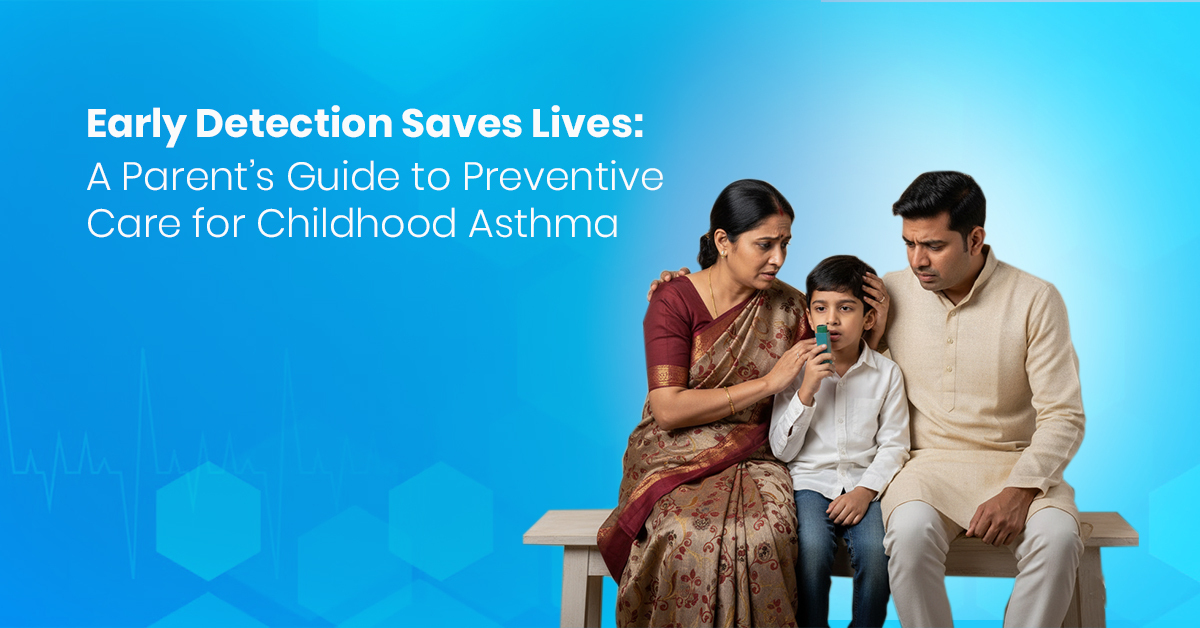
When we talk about childhood asthma, it's not an abstract worry-it's a very real condition that affects millions of kids worldwide. And here's the thing: while some risk factors can't be changed (genetics, family history), a lot can be influenced through early detection, good care, and smart preventive steps.
In other words: knowing the signs of asthma in children, recognising triggers, and acting early can help your child breathe easier, sleep better, run and play longer. And yes, that matters.
What this really means is: you as a parent (or caregiver) are a vital part of this journey. With the right knowledge around paediatric asthma management, children asthma care, and asthma prevention tips, you're not just reacting-you're staying ahead.
Let's break down how you can understand childhood asthma, spot the signs, manage attacks, create an asthma-friendly lifestyle for kids, and work with your child's healthcare team so you're not just hoping for the best, you're planning for it.
Asthma is a chronic condition of the airways. In children, it often involves recurring episodes of wheezing, coughing, shortness of breath, or chest tightness. The airways become sensitive, inflamed, and narrowed-making breathing harder.
The term “paediatric asthma” or “asthma in children” covers this, and managing it early matters because lung growth, activity levels, school life, sleep-all can be affected.
When asthma is detected early, you get ahead of many complications. For example: you reduce the risk of emergency visits, you help ensure your child can stay active, you protect respiratory health long term. In children, untreated or poorly controlled asthma may affect lung development.
So the message: recognising symptoms early saves lives or at least preserves quality of life and prevents crises.
As a parent you'll want to know what to look out for:
For kids under 5 it's trickier-sometimes what looks like a cold or wheeze might be something else, so working with your paediatrician is key.
If you know your child has allergies, or there's a family history of asthma or atopy, stay extra vigilant.
It's not just “your child has asthma” and then done. Part of good care is helping reduce exposure to what makes asthma worse. These are asthma triggers in kids. Here are some common ones:
By identifying your child's specific triggers you can plan more effectively. That's always better than reacting.
Once asthma is diagnosed, you and your child's doctor will talk about treatment. Here are the major points:
Controller medicines - Taken regularly to keep inflammation down and prevent attacks. For children, inhaled corticosteroids are common.
Rescue (or quick-relief) medicines - Used during an attack or just before exercise (if exercise triggers it).
Inhaler technique matters - For children, using a spacer or holding chamber often helps ensure medicine gets into lungs effectively.
Asthma Action Plan -A written plan you and your child's school/caregivers should have. It outlines what to do daily, how to monitor, what to do during worsening symptoms.
So, inhaler usage for kids is not just handing over a device-it's training, monitoring, follow-up.
One of the biggest goals in children asthma care is preventing the emergencies. Here's how:
Good asthma monitoring and care means you are regularly checking in: how often symptoms appear, how much medicine is used, how activity is going. From that you and your doctor adjust things.
Here's a non-medical but powerful part: how you help your child build a lifestyle around asthma. It touches everyday choices-including diet and nutrition for children with asthma, exercise and asthma management for kids, and general wellness.
Yes - children with asthma can be very active. You don't need to hold them back unless advised by a doctor. In fact, guiding them in exercise and asthma management for kids is key.
Tips:
Not doing this might lead them to avoid activity, which is a risk in itself (weight gain, poorer lung fitness, more symptoms).
Diet and nutrition for children with asthma isn't a cure-all, but it helps support health, immunity, and reduce inflammation.
When we talk about paediatric respiratory health, we mean more than just “can your child breathe right today.” We mean: how will their lungs grow, how will their physical development go, how will their activity levels and life quality be impacted?
Good asthma control now means fewer interruptions to school, fewer missed sports, fewer nights waking up with coughing - and less risk of permanent airway changes. Guidelines emphasise this.
So investing in good asthma care now isn't optional-it's a major part of giving your child the best chance to thrive.
Here's a practical list for you-no fluff, just usable tips.
Now, to clarify these are supportive, not replacements for prescribed medication or doctor's advice. But they help.
When you combine all these parts-early detection, trigger avoidance, good treatment, active lifestyle, supportive diet, proper monitoring-you're creating an asthma-friendly lifestyle for kids.
Here's how a week might look:
Over months and years the result: fewer flare-ups, fewer hospital visits, better lung health, better quality of life.
Solution: practice with the doctor or asthma educator, show the child the device, reward participation, make it age-appropriate conversation.
Solution: keep a log of symptoms, exposures, activities. Over 2-4 weeks you'll begin to see patterns.
Solution: talk to the doctor about pre-exercise inhaler use or warm-up strategies. Remember: activity is vital for health.
Solution: focus on the most impactful changes: remove smoke exposure, use mattress/pillow covers, reduce clutter, vacuum with HEPA filter, keep pets out of the child's bedroom.
Solution: Remember: asthma control is about staying well, not only reacting when it's bad. Regular controller medication matters even when the child seems fine.
Monitoring is a big piece of paediatric asthma management. That means:
Healthcare is not “set it and forget it.” Ongoing adjustment helps maintain good control and long-term respiratory health.
When asthma is uncontrolled, it's not just annoying. It can lead to missed school, poor sleep, reduced activity, increased risk of hospitalization, diminished lung growth in kids. The earlier you intervene, the fewer of these consequences your child is likely to face.
Plus: By focusing on prevention of attacks, trigger management, and healthy lifestyle, you also support your child's overall health-better immunity, better growth, better play. And that's empowerment.
If there's one message to take away: you don't have to wait until symptoms become severe. Recognising asthma symptoms in children, avoiding known asthma triggers in kids, creating an asthma-friendly lifestyle for kids, understanding inhaler usage for kids, and partnering with your doctor on paediatric asthma management all matter.
Your child's respiratory health isn't just about medications or doctor visits-it's about everyday habits, environments, and choices. It's about helping them sleep well, play hard, breathe easy.
And you know what? The payoff is real: fewer evenings waking up coughing, fewer missed games or runs, fewer “I can't” moments.
You've got one child, one body, one lung system. Help them build a foundation today. Early detection, early care, thoughtful prevention-that's what really saves lives.