05 Feb 2026
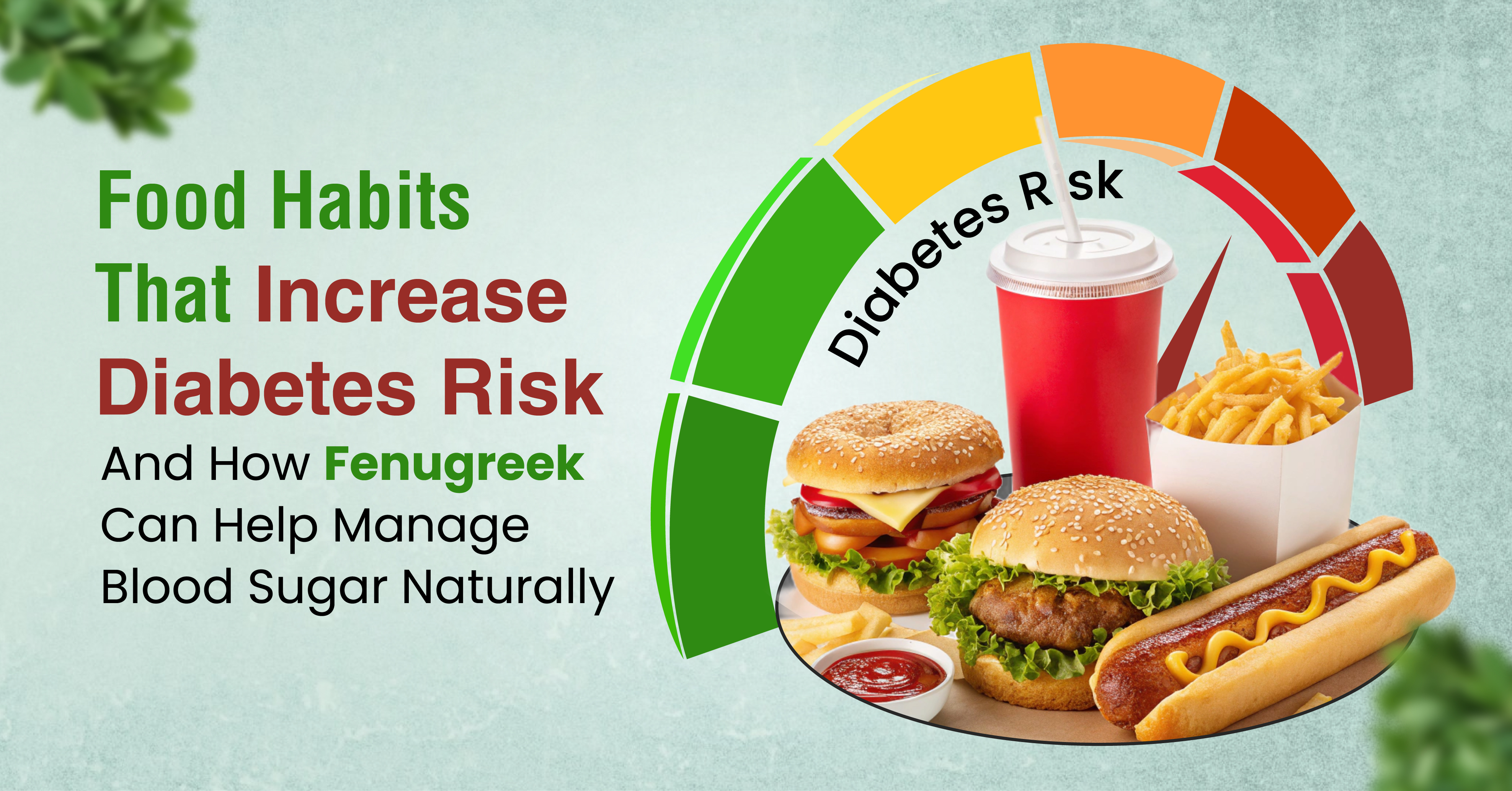
Diet plays a crucial role in the development and management of type 2 diabetes. High blood sugar diets, unhealthy eating habits, and frequent consumption of processed foods can increase the risk of diabetes over time.
At the same time, natural interventions like fenugreek tablets or fenugreek extract have been shown to help regulate blood sugar levels. This article explores diabetes risk foods, their impact on blood sugar, and how fenugreek can support glucose management naturally.
Diabetes is a chronic condition characterised by elevated blood sugar levels due to insufficient insulin production or insulin resistance. Diet is one of the primary modifiable factors influencing risk.
Managing blood sugar involves a combination of dietary adjustments, lifestyle changes, and supplementation.
Fenugreek is a supplementary option. It should not replace prescribed diabetes medication but can complement lifestyle and medical management.
How much fenugreek is effective?Clinical studies suggest 5-25 grams of fenugreek seeds or standardised fenugreek extract daily, but dosage should be personalised under medical supervision.
Are there side effects?Fenugreek is generally safe. Mild gastrointestinal effects like bloating or mild diarrhoea may occur. Those on blood-thinning medication should consult a doctor.
How soon can fenugreek help with blood sugar?Results vary, but improvements in fasting and post-meal blood sugar may be observed within a few weeks of regular use along with diet management.
Sugary drinks, refined carbs, processed snacks, fried foods, and red meat significantly increase the risk of type 2 diabetes.
2. Can fenugreek help manage type 2 diabetes naturally?Yes, fenugreek contains soluble fibre and bioactive compounds that support insulin sensitivity and blood sugar control.
3. Are fenugreek tablets or extracts better?Both forms are effective; tablets offer standardised dosing, while extracts can be more concentrated.
4. Is fenugreek safe for long-term use?Generally yes, if used as directed alongside a balanced diet and under medical supervision.
5. How should I combine fenugreek with my diet?Use alongside a low-sugar, high-fibre, and whole-food diet for optimal blood sugar management.
Managing blood sugar and reducing the risk of type 2 diabetes starts with dietary choices. While avoiding high-risk foods is essential, natural supplements like fenugreek provide additional support. Fenugreek tablets or extracts can help regulate blood sugar, complementing a healthy lifestyle and dietary adjustments.