25 Mar 2026
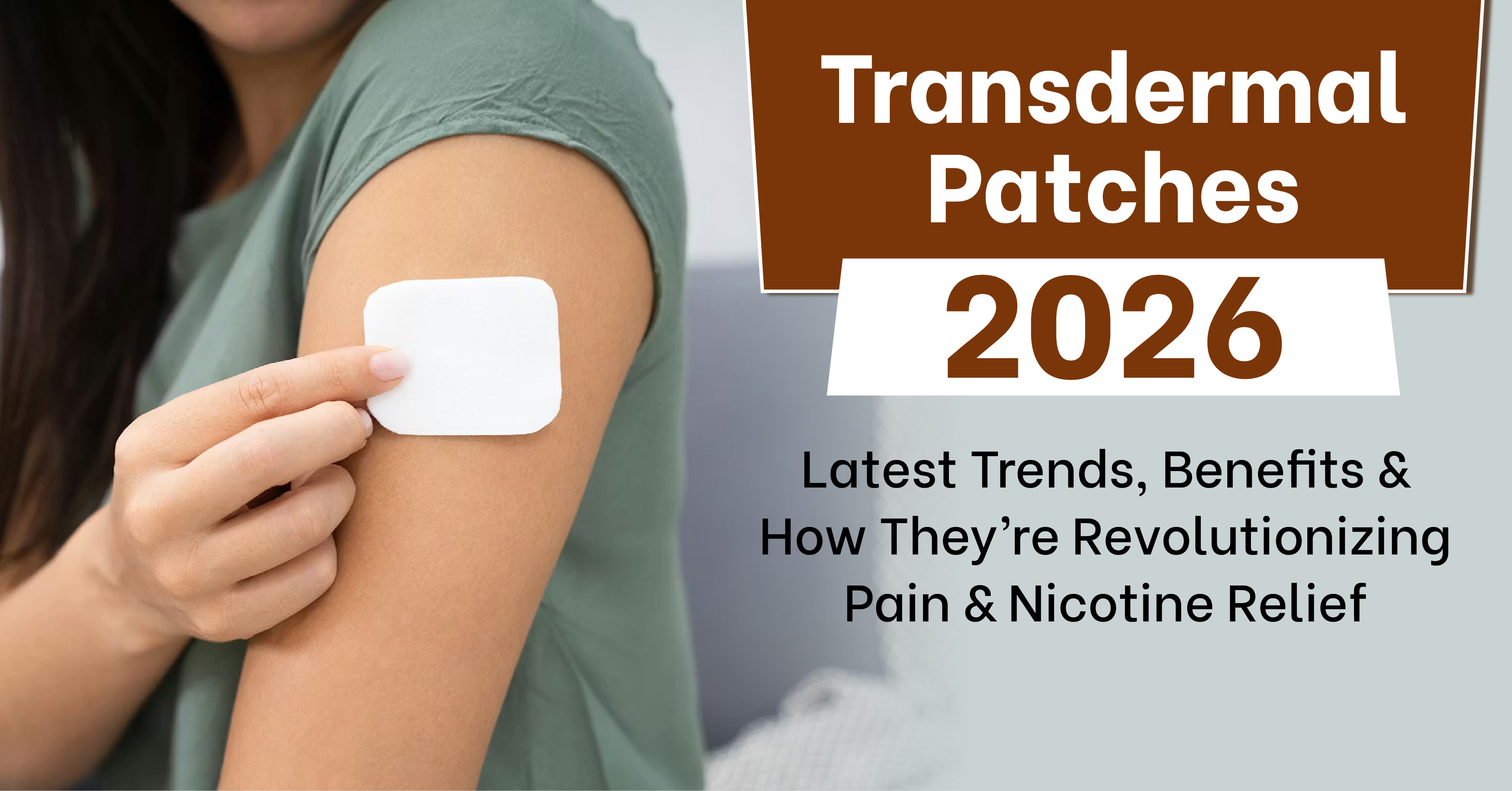
Transdermal patches are advanced drug delivery systems that deliver medication through the skin directly into the bloodstream. In 2026, new health technology trends are making transdermal patches more effective, longer-lasting, and widely used for pain relief and nicotine replacement therapy. These non-invasive therapy solutions offer steady dosing, improved convenience, and fewer gastrointestinal side effects compared to oral medicines. Pain relief patches and nicotine patches are among the most common applications, helping patients manage chronic pain and quit smoking. As innovation continues, transdermal patches are becoming a key part of modern healthcare.
Transdermal patches are medicated adhesive patches applied to the skin to deliver drugs into the bloodstream over a controlled period. Unlike tablets or injections, transdermal patches provide continuous dosing without the need for repeated administration.
These patches consist of multiple layers, including a backing layer, a drug reservoir or matrix, an adhesive layer, and a protective liner. Once applied to the skin, the medication gradually penetrates through the outer layers and enters systemic circulation.
In 2026, transdermal patches are widely used for pain relief, hormone therapy, nicotine replacement, and certain chronic conditions. Their popularity continues to grow due to convenience and steady therapeutic effects.
Transdermal drug delivery systems rely on the skin's permeability. While the skin acts as a protective barrier, specific formulations allow controlled absorption of active ingredients.
The patch releases medication slowly over several hours or days. This controlled release reduces fluctuations in drug levels, maintaining consistent therapeutic effects.
Medication passes through the outer layer of skin (stratum corneum) via diffusion. Modern formulations enhance penetration without damaging skin tissue.
Unlike oral drugs, transdermal patches bypass the digestive system and liver metabolism. This improves bioavailability and may reduce side effects.
These mechanisms make transdermal patches a reliable non-invasive therapy option in modern healthcare.
Health technology trends 2026 show significant advancements in transdermal patch development.
Emerging smart patches integrate sensors that monitor dosage, adherence, and physiological responses. Some connect to mobile applications for real-time health tracking.
Microneedle technology improves drug penetration while remaining painless. This innovation expands the range of medications that can be delivered transdermally.
New materials allow patches to function effectively for longer durations, reducing the need for frequent replacement.
Advanced research supports customized dosing based on patient needs, improving treatment outcomes.
These innovations position transdermal drug delivery systems as a major focus of pharmaceutical research.
Pain relief patches are among the most widely used transdermal patches. They are commonly applied for chronic back pain, muscle strain, arthritis discomfort, and localized injuries.
These patches deliver analgesic agents directly to the affected area. Some formulations provide localized relief, while others offer systemic pain management.
Pain relief patches are especially beneficial for individuals who require long-term pain management without frequent oral medication.
As non-invasive therapy options expand, pain relief patches are becoming a preferred alternative in many treatment plans.
Nicotine patches are a well-established smoking cessation tool. They provide controlled doses of nicotine to reduce withdrawal symptoms and cravings.
By delivering steady nicotine levels, these patches help users gradually decrease dependency without sudden withdrawal effects.
Nicotine patches are typically used as part of a structured smoking cessation program. Gradual dose reduction supports long-term quitting success.
Transdermal patches offer multiple clinical and practical benefits.
No injections or swallowing are required, improving patient comfort.
Controlled release reduces fluctuations and maintains consistent therapeutic levels.
Simple application improves adherence compared to multiple daily pills.
By bypassing the digestive tract, patches may reduce nausea and gastrointestinal discomfort.
Long-lasting patches reduce dosing frequency and simplify treatment routines.
These patch benefits contribute to growing adoption across healthcare sectors.
While transdermal patches offer advantages, certain factors must be considered.
Some users may experience mild redness or irritation at the application site.
Not all medications can be delivered transdermally due to molecular size or absorption limitations.
Incorrect placement or damaged patches can reduce effectiveness.
Healthcare professionals typically provide guidance on safe application and rotation of patch sites.
Research in drug delivery systems continues to expand possibilities.
Future materials may dissolve naturally, reducing environmental impact.
Advanced systems may combine multiple medications within a single patch.
Artificial intelligence integration may optimize dosage adjustments based on real-time data.
Researchers are exploring patches for vaccines, diabetes management, and neurological treatments.
These developments indicate strong growth potential for transdermal patches beyond 2026.
Yes. Pain relief patches provide controlled drug delivery that can help manage chronic pain with fewer systemic side effects compared to oral medications.
How long do nicotine patches take to work?Nicotine patches begin delivering nicotine shortly after application and help reduce cravings throughout the day.
Are transdermal patches safe for long-term use?When used as directed, many patches are safe for extended periods. Medical supervision is recommended for chronic conditions.
What makes transdermal drug delivery systems different from oral medication?They bypass the digestive system and provide steady drug release through the skin, improving consistency and potentially reducing side effects.
Transdermal patches are transforming modern healthcare through advanced drug delivery systems and non-invasive therapy solutions. In 2026, innovations such as smart patches, microneedle enhancements, and personalized dosing are expanding their capabilities. Pain relief patches and nicotine patches remain leading applications, offering convenience, steady drug release, and improved patient compliance.
As health technology trends continue evolving, transdermal patches are positioned as a powerful alternative to traditional oral or injectable therapies. Their ability to deliver consistent, controlled medication makes them an important part of the future of medical treatment and patient-centered care.