15 Jul 2026
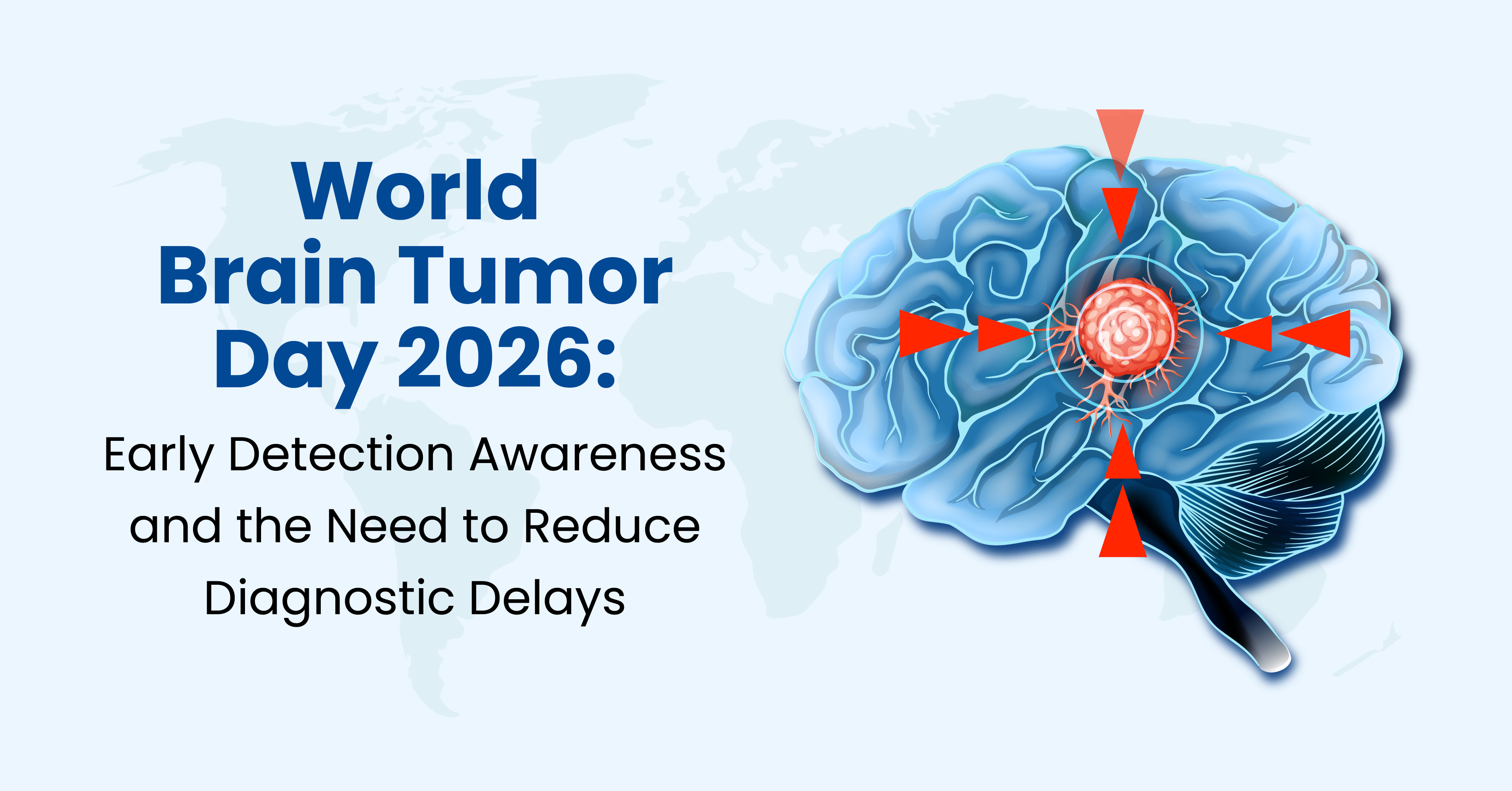
World Brain Tumor Day is observed annually on 8 June to raise awareness about brain tumours, encourage early diagnosis, and support patients and families affected by these complex conditions. Established by the German Brain Tumor Association, the observance serves as a global reminder that recognising symptoms early and seeking timely medical attention can significantly improve treatment outcomes.
One of the biggest challenges in brain tumour care is diagnostic delay. Because symptoms can be subtle, non-specific, or mistaken for other health conditions, many patients experience delays before receiving an accurate diagnosis. World Brain Tumor Day 2026 focuses attention on the importance of symptom awareness, timely evaluation, and access to appropriate diagnostic services.
A brain tumour is an abnormal growth of cells within the brain or surrounding tissues. Brain tumours may be benign (non-cancerous) or malignant (cancerous), and they can originate in the brain itself or spread from other parts of the body.
The impact of a brain tumour depends on factors such as:
Even benign tumours may cause significant health problems if they affect critical areas responsible for movement, speech, vision, memory, or other neurological functions.
Yes. Early detection allows healthcare professionals to investigate symptoms sooner, establish a diagnosis more quickly, and begin appropriate treatment before the tumour causes extensive neurological damage. Earlier diagnosis is often associated with better treatment planning and improved quality of life.
Diagnostic delays can occur when symptoms are overlooked, misinterpreted, or attributed to less serious conditions.
Potential consequences include:
Healthcare experts continue to emphasise that timely recognition of warning signs remains one of the most important factors in improving outcomes.
Brain tumour symptoms vary depending on the tumour's location and size. Many symptoms overlap with other neurological or medical conditions, which can contribute to delays in diagnosis.
Symptoms that warrant medical evaluation may include:
Not every person with these symptoms has a brain tumour. However, persistent, worsening, or unexplained symptoms should be assessed by a healthcare professional.
One reason brain tumours can be difficult to diagnose is that symptoms may resemble:
Because symptoms often develop gradually, individuals may delay seeking medical advice.
Limited public awareness remains a significant barrier to early diagnosis.
People may not recognise that ongoing neurological symptoms require prompt evaluation, particularly when symptoms appear mild or intermittent. Awareness campaigns such as World Brain Tumor Day help educate communities about recognising warning signs earlier.
In some regions, diagnostic delays may also be influenced by:
Experts note that underdiagnosis and delayed reporting may contribute to the true burden of brain tumours being underestimated in some populations.
Diagnosis often begins with:
Healthcare professionals evaluate cognitive function, reflexes, coordination, balance, and other neurological indicators.
Advanced imaging plays a central role in brain tumour diagnosis.
Common investigations include:
These imaging techniques help identify the location, size, and characteristics of abnormal growths within the brain.
Treatment depends on multiple factors, including tumour type, location, size, and overall patient health.
Treatment plans may involve:
Advances in neurosurgery, imaging technology, and oncology continue to improve treatment options and patient outcomes.
World Brain Tumor Day aims to:
Awareness initiatives also help address misconceptions surrounding brain tumours and encourage informed healthcare decisions.
No. Brain tumours may be benign or malignant. However, both types can affect brain function depending on their location and size.
Can Young People Develop Brain Tumours?Yes. Brain tumours can occur at any age, including in children, adolescents, and young adults, although risk factors vary across age groups.
Current scientific evidence does not support a direct link between psychological stress and the development of brain tumours. While stress may affect overall health, it is not considered a proven cause of brain tumours.
Persistent headaches, seizures, unexplained neurological symptoms, vision changes, or worsening cognitive difficulties should be evaluated by a healthcare professional.
World Brain Tumor Day is observed annually on 8 June to raise awareness about brain tumours, encourage early diagnosis, and support patients and caregivers.
Why is early detection important in brain tumours?Early detection may allow earlier intervention, improved treatment planning, and better management of symptoms and complications.
What are the most common symptoms of a brain tumour?Common symptoms include persistent headaches, seizures, vision changes, memory issues, nausea, weakness, and balance difficulties.
What causes diagnostic delays in brain tumour cases?Diagnostic delays may occur due to symptom overlap with other conditions, lack of awareness, healthcare access barriers, or delayed specialist evaluation.
Awareness campaigns help people recognise symptoms earlier and encourage timely medical evaluation, which may contribute to earlier diagnosis and treatment.
World Brain Tumor Day 2026 serves as an important reminder that awareness, education, and timely action can make a meaningful difference in brain tumour care. While symptoms may sometimes appear subtle or resemble other conditions, recognising warning signs and seeking medical evaluation without delay can support earlier diagnosis and more effective treatment planning.
Reducing diagnostic delays requires collaboration among healthcare professionals, policymakers, patients, caregivers, and communities. Through continued awareness efforts, improved access to care, and greater public understanding, progress can be made toward earlier detection and better outcomes for individuals affected by brain tumours.
Medical Disclaimer: This article is intended for educational purposes only and should not be considered medical advice, diagnosis, or treatment. Individuals experiencing persistent or concerning symptoms should consult a qualified healthcare professional.